
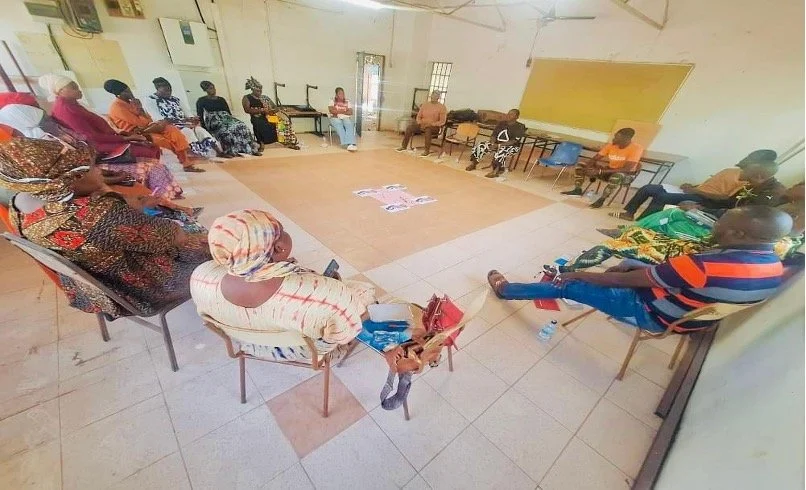
Lamin Ceesay from The Gambia, West Africa, reflects on a recent training in The Circle Way for caregivers, community members, and youth educators focused on the topic of teenage pregnancy.
The Circle Way Training for Caregivers in The Gambia, West Africa
Lamin Ceesay hosted a day-long training on The Circle Way (TCW) in late 2025. The intention was to enhance caregivers’ capabilities for dealing with sensitive social issues that impact youth, as well as their abilities in communicating effectively, along with community-based problem-solving using The Circle Way process. Caregivers, community members, as well as youth educators, all of whom displayed strong interest levels, attended. The topic placed in the circle’s center was teenage pregnancy.
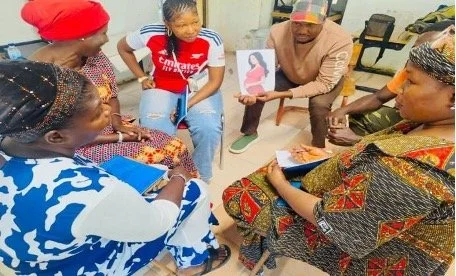
Teenage pregnancies pose one of the biggest challenges facing young girls, as well as the entire community. This issue can be seen through its effects, which relate to the education, health, family dynamics, economic, as well as the psycho-social well-being, of young girls. Parents encounter difficulties in coping with this challenge.
After introductions and a brief check-in Lamin explained how “The Circle Way shows people how to sit, speak, listen, and work together with respect. It’s a powerful tool for creating strong communities and good leaders.” After this explanation, Ngoneh Jagne, a TCW colleague in Gambia, further explained the significance of The Circle Way: “It promotes mutual understanding, empathy, as well as beneficial relationships between all members of the community, as well as caregivers.”
Highlights from the Training
The Circle Way’s principles, practices, and agreements were woven together as the day progressed, integrated with concepts of shared leadership, group wisdom, respect, equal participation, and non-judgemental attitude.
Check-in, where all voices are heard, was followed by a brainstorming session where respectful listening was emphasized.
One of the most effective aspects of this training was the use of real-life experiences, particularly as they relate to teen pregnancies. Participants were emotional but brave enough to tell stories about experiences they had encountered, either within their families or within their communities. Lamin stressed the issue of confidentiality, reminding the group that all the experiences shared must remain within their circle.
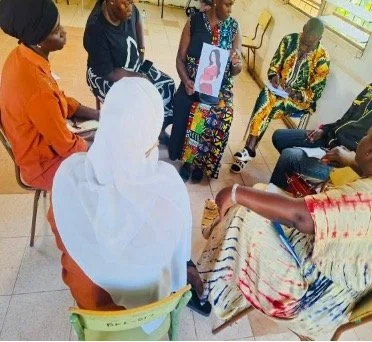
After a break and refreshments participants worked in four groups each having a unique question related to teen pregnancy. The information gathered (Group Wisdom) from this circle session generated the topics for the final work session of the day: 1. Causes of teenage pregnancy, 2. Effects on girls, families, and society, and 3. Role of caregivers in prevention and support. Each small group had a host and shared ideas using respectful, non-judgmental listening.
Some of the key observations harvested that provide direction for future work:
Need for more effective surveillance by caregivers
Effective communication between care providers, girls, and boys
Establishing trust and openness within families
Early education on Reproductive health
Improving their protection systems
The Circle Way Training was a huge success. It facilitated unity, openness, collaboration, as well as intense reflection on the part of the caregivers. The Circle Way approach provided a safe space for the participants to share their experiences. Here are two reflections from the day:
“I have gained confidence to talk to my children about sensitive issues.”
“The Circle Way has taught me how to listen without judging.”
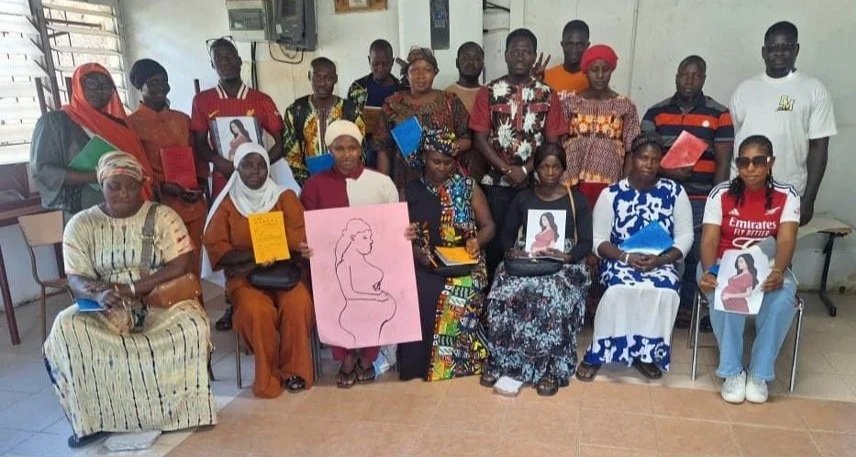
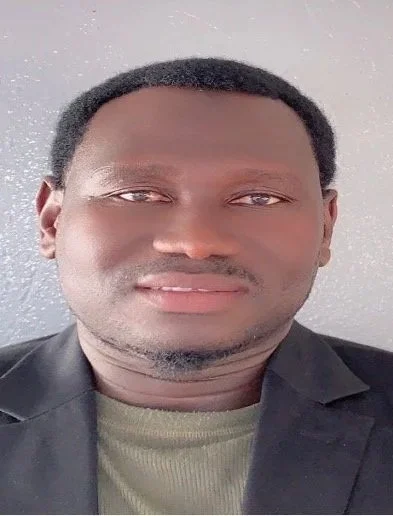
Lamin Ceesay: I am a professional social worker with over 15 years of experience. I spent 10 years working in a hospital as a Home-Based Care Officer under the Global Fund to Fight Malaria, HIV, and AIDS, providing care and support to vulnerable individuals and families. Currently, I work at SOS Children’s Villages The Gambia as a Youth Educator, supporting vulnerable children and young people. My responsibilities include psychosocial counselling, psychotherapy, and mental health awareness sessions. In addition, I serve as a regional trainer for Problem Management Plus (PM+) for SOS Children’s Villages in the sub-region.